






Author
Dr Katarzyna Nosek-Kozłowska
Educator. Research interests: early childhood education and preschool, educational diagnostics with intercultural education, family functioning, analysis of changes in family structure and the challenges associated with transnational families. therapist, social skills trainer.
ORCID: https://orcid.org/0000-0001-6435-1545
E-mail: Ten adres pocztowy jest chroniony przed spamowaniem. Aby go zobaczyć, konieczne jest włączenie w przeglądarce obsługi JavaScript.
CC-BY-NC-ND 4.0 Deed
DOI: https://doi.org/10.62266/PK.1898-3685.2024.36.22
SUMMARY:
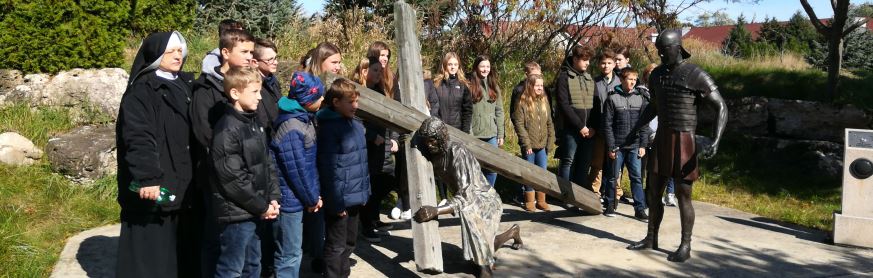
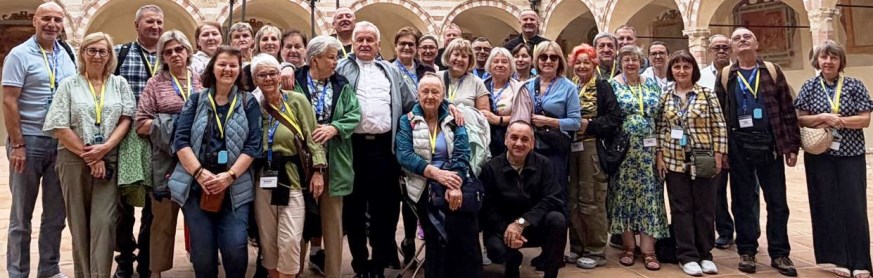
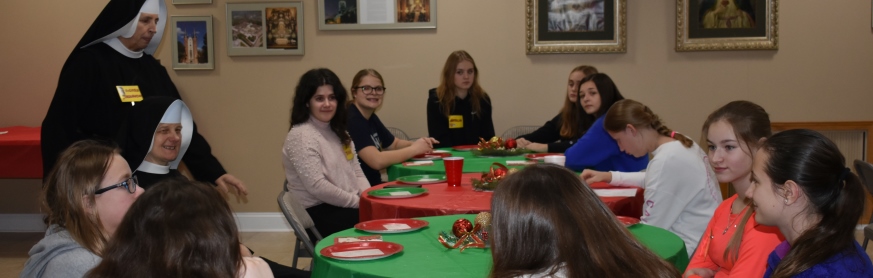
Aim: The aim of this study is to present school trips as a valuable educational and formative method and to explore students’ opinions on their educational benefits.
Methods: The theoretical part outlines the characteristics of school trips, their advantages, and relevant legal regulations. The empirical part is based on group discussions with students, focusing on the educational and formative value of school trips.
Results: Students clearly view school trips as an effective educational and developmental tool. They emphasize the need for longer, more engaging programs and highlight the importance of fostering independence and responsibility.
Conclusion: School trips should be an integral part of the educational process, not just recreational activities. Their educational and formative potential should be actively developed.
Originality: The study combines theoretical analysis with direct input from students, offering practical insight into the role of school trips in education and upbringing.
Key words: trip, tourism, school, students, learning, experience, free time.
STRESZCZENIE:
Cel: Celem pracy jest przedstawienie wycieczek szkolnych jako wartościowej metody dydaktyczno-wychowawczej oraz zbadanie opinii młodzieży na temat ich walorów edukacyjnych.
Metody. W części teoretycznej omówiono charakterystykę wycieczek szkolnych, ich zalety oraz podstawy prawne ich organizacji. W części empirycznej zastosowano metodę dyskusji grupowej, analizując refleksje uczniów na temat wychowawczych i edukacyjnych aspektów wyjazdów.
Wyniki: Młodzież jednoznacznie uznaje wycieczki szkolne za skuteczne narzędzie wspierające naukę i wychowanie. Zwraca uwagę na potrzebę wydłużenia i uatrakcyjnienia programów oraz większego nacisku na rozwijanie samodzielności uczniów.
Zakończenie: Wycieczki powinny stanowić integralny element procesu edukacyjnego, a nie tylko formę rekreacji. Ich potencjał dydaktyczny i wychowawczy warto świadomie rozwijać.
Oryginalność: Praca łączy analizę teoretyczną z opiniami samych uczniów, co pozwala na praktyczne spojrzenie na rolę wycieczek w edukacji i wychowaniu.
Słowa kluczowe: wycieczka, turystyka, szkoła, uczniowie, nauka, doświadczenie, czas wolny.
DOWNLOAD FULL ARTICLE:
